1. Understanding Life on Earth:
* Explains the diversity of life: It explains how the vast array of organisms we see today, from bacteria to whales, evolved from a common ancestor.
* Provides a framework for understanding relationships between species: Evolutionary relationships are the basis of classification and help us understand how different species are related.
* Helps us understand our own place in the world: Evolutionary history sheds light on the origins of humans and our place within the web of life.
2. Practical Applications:
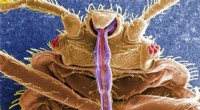
* Medicine: Understanding evolution helps us track the emergence of new diseases, develop vaccines and treatments, and combat antibiotic resistance.
* Agriculture: Evolution plays a crucial role in breeding new crops and livestock, as well as understanding how pests and diseases evolve to resist control measures.
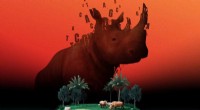
* Conservation: Evolutionary principles are vital for understanding and managing endangered species, predicting how ecosystems will respond to environmental changes, and developing conservation strategies.
* Biotechnology: Evolutionary insights are used in genetic engineering, synthetic biology, and other areas where we manipulate living organisms for human benefit.
3. Philosophical and Ethical Implications:
* Challenges anthropocentrism: Evolution demonstrates that humans are not the pinnacle of creation but rather part of a continuous process of change.
* Raises ethical questions: Understanding the interconnectedness of all life forms through evolution can lead to deeper considerations about our responsibilities toward the natural world.
4. Scientific Method and Progress:
* Serves as a powerful explanatory framework: Evolutionary theory has been repeatedly tested and refined, providing a robust explanation for the diversity and complexity of life.
* Drives scientific inquiry: Evolutionary research continues to generate new discoveries and inspire novel research questions.
In summary, organic evolution is not just an academic curiosity. It is a fundamental concept that has profound implications for our understanding of the world, our place in it, and our relationship with other living organisms. It provides a framework for addressing many of the pressing challenges facing humanity today, from healthcare and food security to conservation and climate change.