1. Climate:
* Temperature: Biomes are defined by their average temperature range. Tropical rainforests are hot and humid, while tundras are cold and icy.
* Precipitation: The amount and distribution of rainfall play a significant role. Deserts are dry, while rainforests receive heavy precipitation.
2. Vegetation:
* Plant Adaptations: Plants in each biome have evolved specific adaptations to survive the prevailing conditions. For example, cacti have spines to conserve water in deserts.
* Dominant Plant Species: Each biome is characterized by certain dominant plant species. Forests are dominated by trees, grasslands by grasses, and tundras by lichens and mosses.
3. Animal Life:
* Species Adaptations: Animals also display adaptations to their specific biome. Polar bears have thick fur for cold climates, while zebras have stripes for camouflage in grasslands.
* Dominant Animal Species: Each biome has a unique set of dominant animal species. The African savanna is known for its lions, giraffes, and elephants, while the Amazon rainforest is home to monkeys, jaguars, and macaws.
4. Soil Type:
* Nutrient Content: Biomes differ in the nutrient content and composition of their soil. Tundra soils are often frozen and nutrient-poor, while tropical rainforest soils are rich in organic matter.
* Soil Structure: Soil structure can vary depending on the biome's climate and vegetation. For example, desert soils are often sandy and dry.
5. Geographic Location:
* Latitude: Biomes are often distributed based on latitude. For example, tropical rainforests are found near the equator, while tundra is found at high latitudes.
* Altitude: Altitude also plays a role, as elevation can create microclimates within a broader biome.
Illustrative Examples:
* Tropical Rainforest vs. Temperate Forest: Tropical rainforests are hot and humid with high biodiversity, while temperate forests have moderate temperatures and a more diverse range of deciduous trees.
* Desert vs. Grassland: Deserts are dry and arid with sparse vegetation, while grasslands are characterized by grasses and grazing animals.
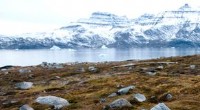
* Tundra vs. Taiga: Tundra is a treeless biome with permafrost, while taiga is a coniferous forest with long winters.
By considering these factors, you can effectively distinguish one biome from another. Remember that biomes are not always clearly defined boundaries, and there can be transitional areas where multiple biomes overlap.