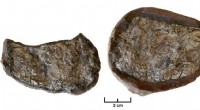
1. Plasma Membrane: This thin, flexible barrier encloses the cell and regulates what enters and exits. It's composed of a phospholipid bilayer with embedded proteins.
2. Cytoplasm: This gel-like substance fills the cell and houses all the cell's internal components, except the nucleus (in eukaryotic cells).
3. DNA (Deoxyribonucleic Acid): The genetic material of the cell, containing the instructions for building and maintaining the organism.
4. Ribosomes: These tiny organelles are responsible for protein synthesis. They read the genetic code from DNA and build proteins according to that code.
5. Energy Production System: While the specific mechanisms differ, all cells have a way to generate energy to fuel their processes.
* Prokaryotes: Use simpler systems like the cell membrane.
* Eukaryotes: Have mitochondria, the powerhouses of the cell.
Here's a breakdown of how these structures differ between prokaryotic and eukaryotic cells:
Prokaryotic Cells:
* Lack a nucleus: Their DNA is located in a region called the nucleoid, but it's not enclosed by a membrane.
* Smaller and simpler: They lack the complex internal membrane systems found in eukaryotes.
* Ribosomes: Smaller and simpler than eukaryotic ribosomes.
* Cell Wall: A rigid outer layer that provides structural support and protection.
* Flagella and Pili: Some have these hair-like structures for movement or attachment.
Eukaryotic Cells:
* True Nucleus: Their DNA is enclosed within a membrane-bound nucleus.
* Larger and more complex: Contain many membrane-bound organelles, such as the endoplasmic reticulum, Golgi apparatus, and lysosomes.
* Ribosomes: Larger and more complex than prokaryotic ribosomes.
* Cell Wall: Only present in plant, fungal, and some protist cells.
Understanding these shared structures helps us appreciate the fundamental similarities between all living things, even though their complexity and organization may differ.


![Dog Breed & Behavior: Separating Fact from Fiction | [Your Brand Name]](https://www.scienceaq.com/article/uploadfiles/202210/2022102023561850_S.jpg)