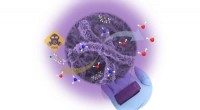
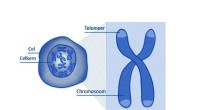
* Selectively Permeable: The cell membrane is not a simple barrier. It's selectively permeable, meaning it allows some substances to pass through while blocking others. This is crucial for maintaining the cell's internal environment and carrying out essential functions.
* Regulation of Transport: The membrane uses various mechanisms to control transport:
* Passive transport: Substances like water, oxygen, and carbon dioxide can move across the membrane freely down their concentration gradients (from high to low concentration).
* Active transport: The cell uses energy to move substances against their concentration gradients, often using protein pumps embedded in the membrane. This allows the cell to take in nutrients, remove waste products, and maintain the necessary ion balance.
* Protection: The cell membrane acts as a protective barrier, keeping harmful substances from entering the cell and preventing essential molecules from leaking out.
* Communication: The cell membrane is involved in communication between the cell and its environment. It has receptors that bind to specific signaling molecules, triggering internal responses.
In summary, the cell membrane is a dynamic structure that acts as a gatekeeper, controlling the movement of substances, maintaining the cell's internal environment, and enabling communication with its surroundings.