1. Cell Wall:
* Composition: Primarily composed of peptidoglycan, a complex polymer of sugars and amino acids.
* Function: Provides structural support and protection, maintains cell shape, and prevents bursting in hypotonic environments.
* Types: Gram-positive bacteria have a thick peptidoglycan layer, while Gram-negative bacteria have a thin layer and an outer membrane.
2. Plasma Membrane:
* Composition: Phospholipid bilayer with embedded proteins.
* Function: Regulates the passage of substances into and out of the cell, maintains cell integrity, and plays a role in energy production.
3. Cytoplasm:
* Composition: Gelatinous substance containing water, enzymes, nutrients, and genetic material.
* Function: Provides a medium for biochemical reactions and cell processes.
4. Nucleoid:
* Composition: A single, circular chromosome of DNA.
* Function: Carries the genetic information of the cell.
* Location: Not enclosed within a membrane but located in a specific region of the cytoplasm.
5. Ribosomes:
* Composition: Composed of ribosomal RNA (rRNA) and proteins.
* Function: Involved in protein synthesis.
* Size: Smaller than eukaryotic ribosomes (70S).
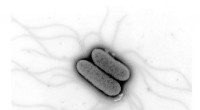
6. Flagella:
* Composition: Long, thread-like structures made of flagellin protein.
* Function: Motility, allowing the cell to move through its environment.
7. Pili (or Fimbriae):
* Composition: Short, hair-like structures made of protein.
* Function: Attachment to surfaces, conjugation (transfer of genetic material), and sometimes motility.
8. Capsules (or Slime Layers):
* Composition: Layers of polysaccharides or proteins.
* Function: Protection from desiccation, phagocytosis by immune cells, and adherence to surfaces.
9. Plasmids:
* Composition: Small, circular DNA molecules.
* Function: Carry genes that provide additional traits, such as antibiotic resistance or toxin production.
10. Inclusion Bodies:
* Composition: Storage granules of various substances, including glycogen, lipids, and inorganic compounds.
* Function: Reserve nutrients or act as structural components.
These structural features allow prokaryotes to thrive in a wide range of environments and perform diverse metabolic functions. Their simplicity and adaptability make them ubiquitous in nature and play crucial roles in ecosystems.