1. Biological Source: This is the most general interpretation. It refers to any living organism or part of an organism that can be used for a particular purpose.
* Examples:
* Plants: Used for food, medicine, biofuels, building materials.
* Animals: Used for food, medicine, clothing, research.
* Microorganisms: Used in fermentation, bioremediation, pharmaceuticals.
* Human cells and tissues: Used for research, medical treatments.
2. Source of Biological Material: This refers to a specific place or material that is the origin of biological samples.
* Examples:
* A blood sample from a patient
* A tissue culture from a lab
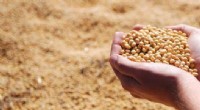
* A collection of plant seeds
* A soil sample containing microorganisms
3. Bioresource: This term often refers to biological material that is used for scientific research, conservation, or development.
* Examples:
* Gene banks: Store genetic material from various organisms.
* Cell lines: Cultures of specific types of cells for research.
* Biorepositories: Collections of biological samples for research and development.
4. Bio-based Source: This refers to materials derived from biological sources, usually in the context of renewable resources.
* Examples:
* Bioplastics: Made from plant-based polymers.
* Biofuels: Made from plant or animal oils.
* Bio-based textiles: Made from natural fibers like cotton, hemp, or bamboo.
To understand the specific meaning of "biosource," it's important to consider the context in which it's being used.
If you can provide more information about the context, I can give you a more precise definition.