What They Do:
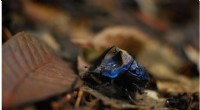
* Consume other organisms: They eat plants (herbivores), other animals (carnivores), or both (omnivores).
* Obtain energy and nutrients from food: Heterotrophs break down the organic compounds in their food to gain the energy and nutrients they need to survive and grow.
Examples:
* Animals: Lions, deer, birds, insects, fish, etc.
* Fungi: Mushrooms, mold, yeast, etc.
* Bacteria: Many types of bacteria that decompose dead organisms.
Importance in Ecosystems:
* Energy flow: Heterotrophs play a crucial role in the flow of energy through an ecosystem by consuming producers (plants) and passing that energy to other consumers.
* Nutrient cycling: They help break down dead organisms, releasing nutrients back into the ecosystem for producers to use.
* Population control: Predators (carnivores) keep populations of prey animals in check, preventing overgrazing and maintaining balance.
Key Takeaway:
Heterotrophs are the consumers of the ecosystem, relying on other organisms for their food and playing vital roles in energy flow, nutrient cycling, and maintaining ecological balance.