Anaerobic Respiration:
* Some bacteria and fungi: These organisms can survive in environments lacking oxygen and use anaerobic respiration to generate energy. They utilize alternative electron acceptors like sulfate or nitrate instead of oxygen.
* Muscle cells during intense exercise: When oxygen supply is limited, muscle cells can switch to anaerobic respiration, producing lactic acid as a byproduct.
Fermentation:
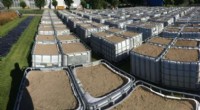
* Yeast and some bacteria: These organisms can convert sugars into energy through fermentation, a process that does not require oxygen. This produces byproducts like ethanol and carbon dioxide.
Other exceptions:
* Certain parasitic organisms: Some parasites live in environments with limited oxygen and rely on anaerobic metabolism.
* Plant cells in flooded environments: Plants growing in waterlogged soils may experience low oxygen levels and utilize alternative respiration pathways.
In summary:
While aerobic respiration is the primary energy-producing process in most organisms, certain organisms and cells can adapt and utilize other forms of energy production, including anaerobic respiration and fermentation. These adaptations allow them to survive in diverse environments with varying oxygen availability.