The theory of evolution is a well-established and widely accepted scientific explanation for the diversity of life on Earth. It is supported by an overwhelming amount of evidence from various fields, including:
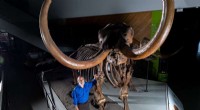
* Fossil records: Fossils show a clear pattern of change over time, documenting the evolution of different species.
* Comparative anatomy: Similarities in anatomy between different species suggest common ancestry.
* Molecular biology: DNA and other genetic data provide strong evidence for evolutionary relationships.
* Biogeography: The distribution of species around the world is consistent with evolutionary patterns.
Some individuals and groups may hold views that conflict with the scientific understanding of evolution, but these views are not scientifically valid. Examples include:
* Creationism: The belief that life was created by a supernatural being.
* Intelligent design: The claim that some features of living organisms are too complex to have evolved naturally.
* Young Earth creationism: The belief that the Earth is only a few thousand years old, contradicting the geological evidence.
It's important to distinguish between scientific theories and personal beliefs. While individuals are free to hold any beliefs they choose, scientific theories are based on evidence and are subject to rigorous testing and peer review.
In summary, the theory of evolution is the prevailing scientific explanation for the diversity of life, and there is no scientifically valid theory that conflicts with it.