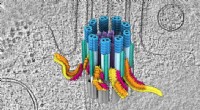
* Bacteria: Single-celled organisms that can cause a wide range of infections, from pneumonia to food poisoning.
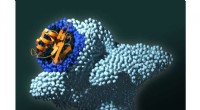
* Viruses: Non-living entities that can only replicate inside the cells of a host. They are responsible for diseases like influenza, HIV, and COVID-19.
* Fungi: Eukaryotic organisms that can cause infections like athlete's foot, ringworm, and yeast infections.
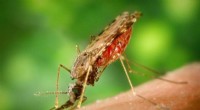
* Parasites: Organisms that live in or on another organism (the host) and benefit at the host's expense. Examples include malaria, tapeworms, and roundworms.
* Prions: Misfolded proteins that can cause diseases like mad cow disease and Creutzfeldt-Jakob disease.
How infectious microbes spread:
* Direct contact: Through physical contact with an infected person or animal.
* Indirect contact: Through contact with contaminated surfaces or objects.
* Droplets: Through coughing, sneezing, or talking.
* Airborne transmission: Through dust or air particles.
* Food and water: Through contaminated food or water.
* Vectors: Through insects or animals.
Key characteristics of infectious microbes:
* Ability to replicate: They can reproduce inside a host, increasing their numbers.
* Ability to evade the immune system: They can avoid or overcome the host's immune defenses.
* Ability to cause damage: They can damage tissues and organs, leading to disease symptoms.
Understanding the nature and spread of infectious microbes is crucial for preventing and treating infectious diseases.