1. Cell: The basic unit of life, the building block of all living organisms.
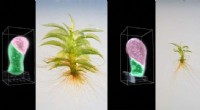
2. Organism: A complete living being made up of multiple cells.
3. Tissue: A group of similar cells working together to perform a specific function.
4. Organ: A structure made up of different tissues that work together to perform a specific task (e.g., the heart, lungs, stomach).
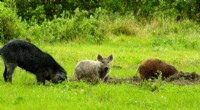
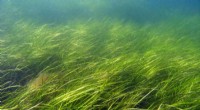
5. Ecosystem: A community of living organisms interacting with each other and their non-living environment (e.g., a forest, a coral reef).
6. Population: A group of organisms of the same species living in the same area.
7. Planet: A celestial body that orbits a star.
8. Galaxy: A vast collection of stars, gas, dust, and dark matter bound together by gravity.
9. Universe: The entirety of space and time, containing all matter and energy.
Important Notes:
* Organisms exist within ecosystems, not the other way around. An organism is part of a larger system.
* Populations are groups of organisms within an ecosystem.
* Planets are not directly related to the other terms in this sequence. While planets can host ecosystems, they are not themselves living entities.