Interspecific Competition (Competition between different species):
* Predators: Lions and hyenas compete for the same prey.
* Herbivores: Deer and rabbits compete for the same grasses.
* Plants: Trees in a forest compete for sunlight, water, and nutrients.
* Invasive species: Zebra mussels and native mussels compete for resources in the Great Lakes.
* Parasites: Tapeworms and roundworms compete for space in the host's intestines.
Intraspecific Competition (Competition within the same species):
* Animals: Male deer compete for mates during the rutting season.
* Plants: Plants in a field compete for light, water, and nutrients.
* Bacteria: Different strains of bacteria in the gut compete for space and resources.
* Humans: Individuals and companies compete for resources, jobs, and market share.
Examples of Organisms Known for High Levels of Competition:
* Wolves: They are apex predators and compete fiercely for territory, prey, and mates.
* Sea Otters: They compete for food (sea urchins) and territory.
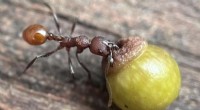
* Ants: Ant colonies engage in intense competition for food and nesting sites.
* Bacteria: They are known for their ability to rapidly evolve and outcompete each other for resources.
* Plants: Plants in harsh environments, like deserts, often compete aggressively for water and sunlight.
Remember: Competition is a major force driving evolution. Organisms that are better adapted to compete for resources are more likely to survive and reproduce, passing on their traits to future generations.
Additional factors to consider:
* Resource availability: Competition is often more intense when resources are scarce.
* Environmental conditions: Competition can be influenced by factors like temperature, rainfall, and disease.
* Behavioral strategies: Different species and individuals develop different strategies for dealing with competition.
Let me know if you have any specific types of organisms or competitive interactions in mind and I can provide more tailored examples!