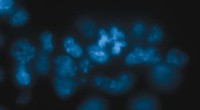
1. Meiosis: This is the process of cell division that occurs in the reproductive cells (sperm and egg) of the parents. Meiosis reduces the number of chromosomes in each cell by half, creating gametes with only one set of chromosomes (haploid). This is crucial for sexual reproduction because when the sperm and egg fuse during fertilization, they form a zygote with a complete set of chromosomes (diploid) that is unique from either parent.
2. Mitosis: After fertilization, the zygote undergoes rapid mitotic cell division. This is the process of cell division that creates two identical daughter cells from a single parent cell. Mitosis is responsible for the growth and development of the embryo, from a single cell to a complex organism with millions of cells.
Here's a breakdown of how these divisions contribute to puppy development:
* Meiosis in the mother's ovaries: This produces an egg cell with half the number of chromosomes.
* Meiosis in the father's testes: This produces sperm cells with half the number of chromosomes.
* Fertilization: A sperm cell from the father fertilizes the egg cell from the mother, combining their genetic material to form a zygote with a complete set of chromosomes.
* Mitosis in the zygote: The zygote undergoes rapid mitotic cell division, leading to the formation of a blastocyst (a hollow ball of cells).
* Mitosis in the embryo: The blastocyst implants in the uterine wall, and further mitotic cell division leads to the formation of all the tissues and organs of the developing puppy.
So, both meiosis and mitosis play vital roles in the creation of a puppy, one contributing to the genetic diversity of the offspring, and the other to the growth and development of the puppy from a single cell to a fully formed organism.