Translation is the process of synthesizing a protein from an mRNA template. It occurs in the cytoplasm of the cell and involves three main steps:
1. Initiation:
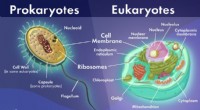
* Ribosome binding: The small ribosomal subunit (40S in eukaryotes, 30S in prokaryotes) binds to the mRNA molecule at the 5' cap (in eukaryotes) or the Shine-Dalgarno sequence (in prokaryotes).
* Initiator tRNA binding: The initiator tRNA, carrying the amino acid methionine (Met), binds to the start codon (AUG) on the mRNA.
* Large subunit joining: The large ribosomal subunit (60S in eukaryotes, 50S in prokaryotes) joins the complex, forming a functional ribosome.
2. Elongation:
* Codon recognition: The next codon on the mRNA is exposed in the A site of the ribosome. A tRNA molecule carrying the appropriate amino acid, dictated by the codon, enters the A site.
* Peptide bond formation: The amino acid on the tRNA in the A site is linked to the growing polypeptide chain, which is attached to the tRNA in the P site.
* Translocation: The ribosome moves one codon down the mRNA, shifting the tRNA in the A site to the P site and the tRNA in the P site to the E site. The empty tRNA exits the E site. This process continues, adding amino acids to the polypeptide chain one by one.
3. Termination:
* Stop codon recognition: The ribosome encounters a stop codon (UAA, UAG, or UGA) on the mRNA.
* Release factor binding: A release factor protein binds to the stop codon in the A site.
* Polypeptide release: The release factor facilitates the hydrolysis of the bond between the polypeptide chain and the tRNA in the P site. The newly synthesized polypeptide chain is released from the ribosome.
* Ribosome dissociation: The ribosome subunits detach from the mRNA.
Key components involved in translation:
* mRNA: Messenger RNA, carrying the genetic code for the protein.
* Ribosomes: Molecular machines that synthesize proteins.
* tRNAs: Transfer RNAs, which carry amino acids to the ribosome.
* Amino acids: The building blocks of proteins.
* Initiation factors: Proteins that facilitate the initiation step.
* Elongation factors: Proteins that facilitate the elongation step.
* Release factors: Proteins that facilitate the termination step.
Additional notes:
* Translation can be regulated at various levels, including the availability of mRNA, ribosomes, and tRNA, as well as the activity of initiation, elongation, and termination factors.
* Translation is a highly coordinated and complex process that requires the interplay of various components.
* Errors in translation can lead to the production of non-functional proteins, which can have serious consequences for the cell and the organism.
This detailed explanation should provide a comprehensive understanding of the steps involved in protein synthesis.