Key Characteristics of Enzymes:
* Biological Catalysts: Enzymes are biological catalysts, meaning they speed up chemical reactions within living organisms without being consumed in the process.
* Protein Nature (Mostly): The vast majority of enzymes are proteins. However, some are RNA molecules called ribozymes.
* Specificity: Enzymes are highly specific. Each enzyme typically catalyzes only one or a very small number of reactions involving specific molecules called substrates.
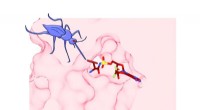
* Active Site: Enzymes have a specific three-dimensional structure that includes an active site. The active site is a region where the substrate binds and the catalytic reaction occurs.
* Lower Activation Energy: Enzymes work by lowering the activation energy of a reaction. This means they reduce the amount of energy needed for the reaction to start, making it proceed faster.
* Regulation: Enzymes are often regulated to control their activity. This regulation can be influenced by factors like temperature, pH, substrate concentration, and the presence of inhibitors or activators.
Common Misconceptions:
* Enzymes are not consumed in the reaction: While enzymes are involved in the reaction, they are not permanently altered or consumed.
* Enzymes do not change the equilibrium of a reaction: They only speed up the rate at which the reaction reaches equilibrium.
Examples of Enzymes:
* Amylase: Breaks down starch into sugars.
* Lactase: Breaks down lactose (milk sugar).
* DNA polymerase: Involved in DNA replication and repair.
* Pepsin: Digests proteins in the stomach.
In Summary: Enzymes are essential biological molecules that play critical roles in all living organisms. Their catalytic properties, specificity, and regulation are key to maintaining life processes.