1. Seeds:
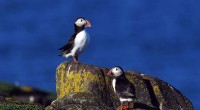
* Birds: Many birds eat fruits and berries and then deposit the seeds in their droppings elsewhere. This helps disperse seeds over long distances, even across mountains and bodies of water. Think of mistletoe, which relies on birds to spread its seeds.
* Mammals: Animals like squirrels, foxes, and bears often bury nuts and seeds for later consumption but sometimes forget where they hid them. This helps spread seeds to new areas.
* Insects: Some insects, like ants, collect and carry seeds. They might drop them along the way or store them in their nests, allowing them to sprout in a different location.
2. Small organisms:
* Parasites: Many parasites need host organisms to complete their life cycles. For example, ticks and fleas live on mammals and birds and are dispersed as these animals move around.
* Bacteria and Fungi: These tiny organisms can attach themselves to insects or other animals, which can carry them to new places.
3. Other examples:
* Fish: Some fish, like the clownfish, have a symbiotic relationship with sea anemones. The clownfish lives in the anemones for protection, and in return, helps to disperse the anemones' eggs.
* Barnacles: Barnacles attach themselves to whales and other marine animals, using them as a means of transport to new areas.
Zoochory is an important part of the natural world, helping to maintain biodiversity and the distribution of species. It allows organisms to colonize new habitats, escape competition, and find more favorable environments.