Here's why:
* Heterotrophs are organisms that cannot produce their own food and must consume other organisms (or their byproducts) to obtain energy and nutrients. Think of them as "consumers" in the food chain.
Examples of heterotrophs include:
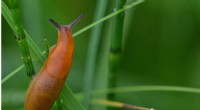
* Animals: They eat plants or other animals.
* Fungi: They absorb nutrients from decaying matter.
* Many bacteria: They break down organic matter or consume other bacteria.
In contrast:
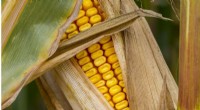
* Autotrophs are organisms that produce their own food using energy from the sun (photosynthesis) or chemicals (chemosynthesis). Think of them as "producers" in the food chain. Examples include plants, algae, and some bacteria.
Let me know if you'd like more examples or have any other questions!