1. Variation:
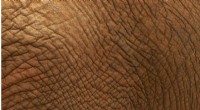
* All living organisms, even within the same species, exhibit variations. This means they have slight differences in their traits, like size, color, metabolism, behavior, etc.
* These variations arise from mutations (changes in DNA sequence) or recombination (reshuffling of genes during sexual reproduction).
* Some variations are beneficial, some are harmful, and some are neutral.
2. Natural Selection:
* The environment presents challenges to survival and reproduction.
* Individuals with variations that make them better suited to their environment (e.g., camouflage, disease resistance) are more likely to survive and reproduce.
* This means they pass their beneficial genes on to the next generation.
* Over time, the frequency of these beneficial traits increases within the population.
3. Evolution:
* Over many generations, natural selection leads to a gradual change in the overall genetic makeup of a population.
* This change, driven by the accumulation of beneficial variations, is what we call evolution.
In simpler terms:
Imagine a population of rabbits with different fur colors: brown, grey, and white. If a predator is hunting in a brown forest, the brown rabbits are more likely to survive and reproduce because they blend in better. Over time, the brown rabbits will have more offspring, and the frequency of brown fur in the population will increase. This is how a population can adapt to its environment through natural selection, driven by the initial variations in fur color.
Key Points:
* Variations are random: They don't arise because an organism "needs" them, but rather due to chance mutations or gene combinations.
* Natural selection is not random: It acts on the existing variations, favoring those that are advantageous in a given environment.
* Evolution is a gradual process: It takes many generations for significant changes to occur.
Variations provide the fuel for evolution, while natural selection acts as the driver, steering populations towards adaptation and diversification over time.