1. Encoding Information:
* Genes: DNA is organized into units called genes, each containing instructions for building a specific protein or functional RNA molecule.
* Protein Synthesis: Proteins are the workhorses of the cell, carrying out a vast array of functions, from catalyzing reactions to transporting molecules and providing structural support.
2. Transcription: From DNA to RNA:
* Messenger RNA (mRNA): The genetic code within DNA is transcribed into a messenger molecule called mRNA.
* RNA Polymerase: This enzyme reads the DNA sequence and creates a complementary mRNA copy.
3. Translation: From RNA to Protein:
* Ribosomes: These cellular machines read the mRNA code and use it to assemble amino acids into proteins.
* Transfer RNA (tRNA): tRNA molecules act as translators, bringing specific amino acids to the ribosome based on the mRNA code.
4. Regulation:
* Gene Expression Control: Not all genes are active at all times. Cells regulate gene expression by controlling when, where, and how much of each protein is produced. This is achieved through a variety of mechanisms, including:
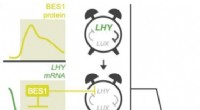
* Transcription Factors: Proteins that bind to DNA and either activate or repress gene transcription.
* Epigenetics: Chemical modifications to DNA or its associated proteins that can influence gene expression without changing the underlying DNA sequence.
* Non-coding RNA: RNA molecules that do not code for proteins but can regulate gene expression in various ways.
5. Cellular Functions:
* Metabolic Pathways: DNA controls the production of enzymes that catalyze chemical reactions in the cell, driving metabolism.
* Cellular Structure: Proteins encoded by DNA provide the building blocks for cellular structures like membranes, cytoskeletons, and organelles.
* Cell Signaling: DNA directs the synthesis of receptors and signaling molecules, allowing cells to communicate with each other and respond to environmental cues.
* Development and Differentiation: DNA guides the development of an organism from a single cell into a complex multicellular structure, specifying the unique roles of different cell types.
In summary:
DNA's influence on cellular activities is multifaceted and essential for life. It provides the genetic code, orchestrates protein synthesis, regulates gene expression, and ultimately dictates the functions and fate of cells. By controlling the production and activity of proteins, DNA governs the intricate dance of life within every cell.