Intentional Changes:
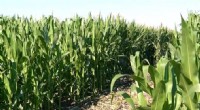
* Agriculture: Clearing land for farming is the most significant driver of biome change. This removes natural vegetation, disrupts ecosystems, and alters soil properties.
* Urbanization: Building cities and towns leads to the destruction of natural habitats, replacing them with concrete and infrastructure.
* Resource Extraction: Mining, logging, and fossil fuel extraction often involve habitat destruction, fragmentation, and pollution.
* Damming and Water Diversion: Building dams can alter water flow, inundate land, and disrupt aquatic ecosystems.
* Introduced Species: Deliberate or accidental introduction of non-native species can disrupt native ecosystems and alter biome dynamics.
* Climate Change Mitigation: Some attempts to mitigate climate change, like planting large-scale tree plantations, can have unintended consequences on existing biomes.
Unintentional Changes:
* Pollution: Air, water, and soil pollution from industrial activities, agriculture, and waste disposal can have significant impacts on ecosystems, potentially causing shifts in biome types.
* Climate Change: Rising temperatures, altered precipitation patterns, and increased frequency of extreme weather events can significantly alter biome boundaries and species composition.
* Disease Outbreaks: The introduction of new diseases, often facilitated by human activity, can decimate populations and lead to shifts in ecosystem structure.
Consequences of Biome Change:
* Loss of Biodiversity: Biome changes often result in the loss of species, habitat fragmentation, and decreased genetic diversity.
* Ecosystem Services Decline: Changes in biome structure can impact essential services like pollination, water purification, and carbon sequestration.
* Climate Feedback Loops: Biome changes can amplify climate change effects, such as increased greenhouse gas emissions or altered albedo (reflectivity of the Earth's surface).
* Human Health Impacts: Changes in biomes can affect human health through alterations in disease vectors, air quality, and access to clean water.
Addressing Biome Change:
* Sustainable Land Use Practices: Promoting sustainable agriculture, forestry, and urban development can help minimize the impact of human activities on biomes.
* Conservation and Restoration: Protecting remaining natural habitats and restoring degraded ecosystems are crucial for mitigating biome change and preserving biodiversity.
* Climate Change Mitigation: Reducing greenhouse gas emissions and implementing strategies to adapt to climate change are essential for preventing further biome shifts.
* Education and Awareness: Raising public awareness about the importance of biomes and the consequences of their alteration is critical for driving change.
Understanding the causes and consequences of biome change is crucial for developing effective strategies to conserve biodiversity, protect ecosystem services, and ensure a sustainable future.