Characteristics:
* Gram-negative: The cell wall does not retain the crystal violet stain used in Gram staining.
* Aerobic: Requires oxygen for growth.
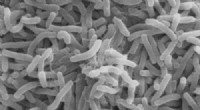
* Rod-shaped: The bacteria have a cylindrical shape.
* Motile: They possess flagella for movement.
* Ubiquitous in water: Found in various aquatic environments, including lakes, rivers, and drinking water systems.
Clinical Significance:
* Opportunistic pathogen: B. vesicularis can cause infections in immunocompromised individuals.
* Bacteremia: Can cause bloodstream infections.
* Endocarditis: Can infect the lining of the heart.
* Urinary tract infections (UTIs): Can cause infections in the urinary system.
* Wound infections: Can infect open wounds.
Other Information:
* Temperature range: Optimal growth temperature is around 30-37°C.
* Resistant to chlorine: Can survive in chlorinated water.
* Nutrition: Can utilize a variety of organic compounds as food sources.
Diagnosis:
* Culture: B. vesicularis can be grown on standard culture media.
* Microscopy: Gram staining and microscopy can identify the bacteria.
* Biochemical tests: Various biochemical tests can help identify the species.
Treatment:
* Antibiotics: Treatment typically involves antibiotics, depending on the specific infection.
Prevention:
* Water treatment: Proper water treatment can help prevent contamination.
* Hygiene: Good hygiene practices can reduce the risk of infection.
* Immunocompromised individuals: Close monitoring and preventive measures are essential for immunocompromised individuals.
Note: B. vesicularis is considered an opportunistic pathogen, meaning it typically does not cause infections in healthy individuals. However, it can pose a threat to people with weakened immune systems.