Protection:
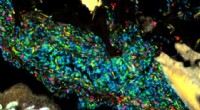
* Physical Barrier: Biofilms act as a protective shield against environmental stressors such as desiccation, antibiotics, and host immune responses. The extracellular matrix, composed of polysaccharides, proteins, and DNA, physically blocks harmful substances and protects the embedded microbes.
* Increased Resistance to Antibiotics: Biofilms can act as a physical barrier against antibiotics, slowing their diffusion and making them less effective.
* Reduced Susceptibility to Disinfectants: The extracellular matrix can also trap disinfectants, reducing their effectiveness against the microbial community within the biofilm.
Enhanced Nutrient Acquisition:
* Nutrient Concentration: Microorganisms within a biofilm can concentrate nutrients locally, creating a favorable microenvironment for growth and metabolism.
* Nutrient Sharing: Different microbial species within a biofilm can cooperate, exchanging nutrients and metabolites, enhancing overall survival.
Increased Colonization and Dispersion:
* Increased Colonization: Biofilm formation enables microbes to adhere to surfaces, allowing them to colonize new environments more effectively.
* Dispersal: Biofilms can release individual cells, facilitating the spread of microbes to new locations and colonize new areas.
Enhanced Communication and Gene Transfer:
* Quorum Sensing: Biofilms enable microbes to communicate through quorum sensing, coordinating gene expression and behavior, which enhances survival and adaptation.
* Horizontal Gene Transfer: The close proximity of microbes within a biofilm facilitates the exchange of genetic material, allowing for rapid evolution and adaptation to new environments.
Other Benefits:
* Protection against Predators: The biofilm matrix can hinder the access of predators, providing a safe haven for the microbial community.
* Enhanced Bioremediation: Biofilms can play a crucial role in bioremediation, breaking down pollutants and toxins.
Overall, biofilms offer a remarkable evolutionary advantage, providing a platform for enhanced survival, adaptation, and colonization, ultimately increasing the fitness of the microbial community.