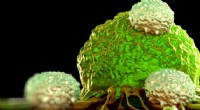
Complex compartmentalization refers to the highly organized internal structure of a living cell, characterized by the presence of distinct compartments called organelles, each enclosed by a membrane and specialized for specific functions. This intricate organization allows for efficient and controlled biochemical processes to occur simultaneously within a single cell.
Here's a breakdown of the key aspects of complex compartmentalization:
1. Organelles:
* Membrane-bound compartments: These organelles have their own unique membrane, separating their internal environment from the rest of the cell.
* Specialized functions: Each organelle is responsible for specific tasks, such as energy production, protein synthesis, waste disposal, etc.
* Examples: Nucleus, mitochondria, endoplasmic reticulum, Golgi apparatus, lysosomes, vacuoles, etc.
2. Benefits of Compartmentalization:
* Efficiency: By separating different biochemical processes, the cell can optimize their individual conditions and prevent interference.
* Control: Membranes regulate the flow of molecules in and out of organelles, allowing for controlled reactions and preventing undesired interactions.
* Organization: Compartmentalization ensures that enzymes and substrates are localized in the appropriate environment for optimal functioning.
* Protection: Some organelles, like lysosomes, contain harmful enzymes that need to be separated from the rest of the cell.
3. Examples of Compartmentalized Processes:
* Protein synthesis: Ribosomes in the cytoplasm manufacture proteins, while the ER further modifies and transports them.
* Energy production: Mitochondria are responsible for generating ATP, the cell's primary energy source.
* Waste disposal: Lysosomes break down cellular debris and harmful substances.
* DNA replication and transcription: The nucleus houses the genetic material and controls its replication and expression.
4. Evolution of Compartmentalization:
* Early cells were likely simple and lacked complex organelles.
* Compartmentalization evolved gradually, providing selective advantages.
* Increased efficiency and complexity led to the emergence of eukaryotic cells.
In summary, complex compartmentalization is a crucial feature of living cells, contributing to their efficiency, control, and overall functionality. It represents a testament to the intricate organization and adaptation of life.