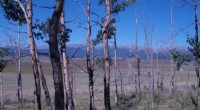
* Physical barriers: Mountains, deserts, oceans, large bodies of water, or even roads can act as barriers separating populations.
* Climate change: Shifting climates can create isolated pockets of suitable habitat, effectively isolating populations.
* Historical events: Past events like glacial periods or volcanic eruptions can fragment habitats and create islands.
Characteristics of biological islands:
* Limited species richness: Due to isolation, fewer species can colonize a biological island, leading to lower biodiversity compared to mainland areas.
* Endemism: Isolated populations evolve independently, leading to the development of unique species found nowhere else.
* Special adaptations: Species on biological islands often develop specific adaptations to survive in their isolated environments, such as specialized diets, breeding strategies, or physical traits.
* Vulnerability to extinction: Due to limited populations and potential habitat loss, species on biological islands are more vulnerable to extinction compared to mainland populations.
Examples of biological islands:
* Oceanic islands: Islands surrounded by water, like the Galapagos Islands, Hawaii, or Madagascar.
* Mountaintops: High-altitude areas separated from surrounding lowlands by steep slopes, creating isolated ecosystems.
* Forests surrounded by grasslands: Isolated forest patches in open landscapes.
* Lakes: Bodies of water surrounded by land, creating unique aquatic ecosystems.
Importance of biological islands:
* Biodiversity hotspots: Biological islands often harbor high levels of endemism, making them crucial for conserving unique species.
* Evolutionary research: They provide valuable insights into the processes of evolution, adaptation, and speciation.
* Ecosystem services: They provide important ecosystem services, such as water filtration, pollination, and climate regulation.
Understanding biological islands is crucial for conservation efforts, as they represent unique and vulnerable ecosystems that require special attention to protect their biodiversity.