Here's a breakdown:
* Autotrophs: These organisms make their own food through a process called photosynthesis. They use sunlight, carbon dioxide, and water to produce sugars (their food) and release oxygen as a byproduct.
* Heterotrophs: These organisms cannot produce their own food and rely on consuming other organisms (plants, animals, or decomposing matter) for energy and nutrients.
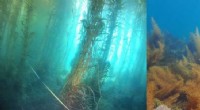
Examples of autotrophs include plants, algae, and some bacteria.