1. Prokaryotic Cells:
* Simpler in structure: Lack a true nucleus and membrane-bound organelles.
* Smaller in size: Typically 1-10 micrometers in diameter.
* Found in: Bacteria and Archaea
* Features:
* Plasma membrane: Encloses the cell.
* Cytoplasm: Contains the cell's internal components.
* Ribosomes: Responsible for protein synthesis.
* DNA: Located in a region called the nucleoid.
* Cell wall: Provides structural support and protection.
2. Eukaryotic Cells:
* More complex in structure: Have a true nucleus and membrane-bound organelles.
* Larger in size: Typically 10-100 micrometers in diameter.
* Found in: Plants, animals, fungi, and protists.
* Features:
* Plasma membrane: Encloses the cell.
* Cytoplasm: Contains the cell's internal components.
* Nucleus: Contains the cell's DNA.
* Ribosomes: Responsible for protein synthesis.
* Endoplasmic reticulum (ER): A network of membranes involved in protein and lipid synthesis.
* Golgi apparatus: Modifies, sorts, and packages proteins.
* Mitochondria: Powerhouses of the cell, responsible for energy production.
* Lysosomes: Break down cellular waste products.
* Vacuoles: Storage compartments for water and other materials.
Further classification within eukaryotic cells:
* Animal cells: Lack cell walls and chloroplasts.
* Plant cells: Have cell walls, chloroplasts, and large central vacuoles.
* Fungal cells: Have cell walls, but their composition differs from plant cell walls.
* Protist cells: Show great diversity in structure and function, reflecting their wide range of lifestyles.
Specific cell types within eukaryotes:
* Nerve cells (neurons): Specialized for transmitting electrical signals.
* Muscle cells: Contract to generate movement.
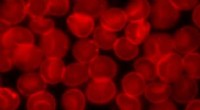
* Blood cells: Involved in oxygen transport, immune defense, and blood clotting.
* Epithelial cells: Line surfaces of organs and cavities.
* Connective tissue cells: Provide support and structure to tissues.
This is just a brief overview of the different types of cells. There is a vast diversity of cell types within each category, each with its own unique structure and function. Understanding the fundamental differences between prokaryotic and eukaryotic cells is crucial for appreciating the complexity and diversity of life on Earth.