1. Biological Advantages:
* Adaptability: Organisms with traits that allow them to adapt to changing environments are more likely to survive. This includes things like tolerance to temperature fluctuations, ability to find food sources, and resistance to diseases.
* Genetic Variation: A diverse gene pool within a population provides a wider range of traits, increasing the chances of some individuals possessing traits that benefit them in a changing environment.
* Reproductive Success: Organisms that produce more offspring, have higher survival rates of their offspring, or reproduce more frequently have a higher chance of passing on their genes.
* Defensive Mechanisms: Physical defenses like sharp claws, venom, or camouflage, or behavioral defenses like warning displays or fleeing predators, can increase survival chances.
* Competition: Individuals that are better at competing for resources like food, mates, or territory are more likely to thrive.
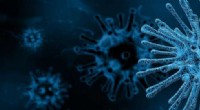
* Disease Resistance: Organisms with stronger immune systems or genetic resistance to diseases are better equipped to survive outbreaks.
2. Environmental Factors:
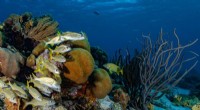
* Favorable Habitat: Organisms living in suitable environments with readily available resources are more likely to survive.
* Climate Change: Organisms that can adapt to changing temperatures, rainfall patterns, or other environmental factors are more likely to survive.
* Resource Availability: Access to food, water, shelter, and other resources can greatly influence survival.
* Predator-Prey Dynamics: The presence or absence of predators, as well as the effectiveness of prey's defense mechanisms, can significantly affect survival rates.
3. Other Factors:
* Random Chance: Sometimes, survival is simply a matter of luck. An individual might be in the right place at the right time, or avoid a catastrophic event that wipes out others.
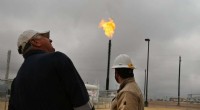
* Human Impact: Human activities like habitat destruction, pollution, and climate change can dramatically influence the survival of many species.
Important Note: These factors often interact in complex ways. It's not always a simple case of one factor being more important than another. For example, a species might have a strong genetic advantage, but if their habitat is destroyed, their chances of survival decrease significantly.