Basic Characteristics:
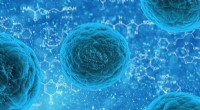
* It is a complete living organism consisting of only one cell. This is the most fundamental characteristic.
* It carries out all life processes within that single cell. This includes metabolism, reproduction, response to stimuli, etc.
* It can be either prokaryotic or eukaryotic. Prokaryotes (like bacteria) lack a nucleus and membrane-bound organelles, while eukaryotes (like amoeba) have both.
Examples and Diversity:
* Examples include bacteria, archaea, protists, and some fungi. This demonstrates the vast diversity of single-celled life.
* They can be found in virtually every environment on Earth. From extreme environments like hot springs to the human gut, they are incredibly adaptable.
Functions and Roles:
* They play crucial roles in ecosystems. From decomposing organic matter to forming the base of food chains, they are vital to life as we know it.
* Some are beneficial to humans. Examples include bacteria in our gut aiding digestion and yeasts used in baking and brewing.
* Others can be harmful. Pathogenic bacteria cause diseases, while harmful algae can cause red tides.
Key Points to Remember:
* Not all single-celled organisms are microscopic. Some can be large enough to be seen with the naked eye.
* They can be organized into colonies. While each cell is independent, they can sometimes form complex structures.
Remember, this is a general overview. Each type of single-celled organism has its own unique characteristics and functions.