Here are some examples:
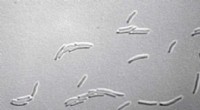
* Asexual reproduction: Many organisms, like bacteria, some plants, and some animals, reproduce asexually. This means they create offspring from a single parent, without the need for fertilization.
* Parthenogenesis: Some organisms can reproduce via parthenogenesis, where an unfertilized egg develops into a new individual. This is common in insects like aphids, some reptiles, and some fish.
* Uniparental inheritance: In some cases, an organism can inherit genetic material from only one parent. For example, in mitochondrial inheritance, an organism receives mitochondria only from its mother.
So, while many organisms reproduce sexually with two parents, there are many exceptions!