1. Traditional Fermented Foods:
* Ancient History: Humans have consumed fermented foods for millennia. These foods, like yogurt, sauerkraut, kimchi, and sourdough bread, naturally contain beneficial bacteria that aid digestion and preserve food.
* Early Discoveries: While not specifically called "probiotics," the health benefits of these foods were recognized in ancient cultures. For example, Hippocrates (460-370 BC) used fermented milk to treat digestive issues.
2. Scientific Research & Modern Terminology:
* Early 20th Century: Early 20th-century researchers started to understand the microbial ecology of the gut and the role of specific bacteria in health.
* 1965: The term "probiotic" (meaning "for life") was coined by Werner Kollath, a German researcher.
* Late 20th Century: Research into the specific mechanisms of action of probiotics in the human body intensified, leading to a surge in interest and the development of commercially available probiotic supplements.
Key Points to Remember:
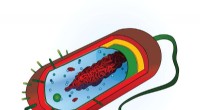
* Natural Evolution: Probiotics are essentially beneficial bacteria that have co-evolved with humans and other animals over millions of years.
* Not a Recent Discovery: While the term "probiotic" is relatively new, the concept of consuming beneficial microorganisms for health is ancient.
* Diverse Origins: Probiotics come from various sources, including natural fermented foods and specifically cultured strains used in supplements.
In summary, the origin of probiotics lies in the ancient practice of consuming fermented foods and the subsequent scientific discoveries that revealed the specific mechanisms of action of these beneficial bacteria. Today, probiotics are widely recognized for their potential health benefits and are an integral part of a balanced diet and gut health management.