1. Building Blocks of DNA and RNA:
* DNA (Deoxyribonucleic acid): Nucleotides form the basic units of DNA, the molecule that carries the genetic blueprint of life. DNA consists of two long strands of nucleotides twisted into a double helix. Each nucleotide in DNA contains a deoxyribose sugar, a phosphate group, and one of four nitrogenous bases: adenine (A), guanine (G), cytosine (C), and thymine (T).
* RNA (Ribonucleic acid): Like DNA, RNA is composed of nucleotides. However, RNA uses ribose sugar instead of deoxyribose and has uracil (U) instead of thymine. RNA plays a crucial role in protein synthesis and other cellular processes.
2. Energy Carriers:
* ATP (Adenosine triphosphate): ATP is the primary energy currency of cells. It's a nucleotide consisting of adenine, ribose sugar, and three phosphate groups. Breaking the high-energy bonds between the phosphate groups releases energy that fuels cellular processes.
3. Signaling Molecules:
* cAMP (Cyclic adenosine monophosphate): cAMP is a second messenger molecule involved in various cellular signaling pathways. It plays a role in hormone action, cell growth, and metabolism.
4. Co-enzymes:
* NAD+ (Nicotinamide adenine dinucleotide): NAD+ and its reduced form, NADH, act as electron carriers in many metabolic reactions, particularly in cellular respiration.
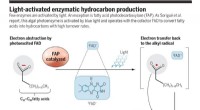
* FAD (Flavin adenine dinucleotide): Similar to NAD+, FAD is a coenzyme involved in electron transfer reactions.
5. Other Functions:
* Regulation of Gene Expression: Some nucleotides, like cyclic AMP, are involved in regulating gene expression.
* Structure: Nucleotides are found in certain structures like coenzyme A, which is involved in cellular metabolism.
In essence, nucleotides are essential for:
* Storing and transmitting genetic information.
* Providing energy for cellular processes.
* Signaling between cells.
* Facilitating metabolic reactions.
Their versatile roles underscore their fundamental importance in all living organisms.