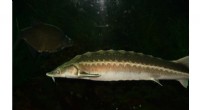
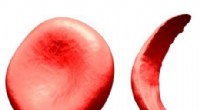
* Water potential difference: Freshwater has a higher water potential (meaning more free water molecules) than saltwater. When a freshwater organism is placed in saltwater, the water potential inside its cells is higher than the water potential outside.
* Water movement: Due to this difference, water will move from a high water potential area (inside the cell) to a lower water potential area (outside the cell) through osmosis. This means water will leave the cells of the freshwater organism.
* Cell shrinkage: As water leaves the cells, they will shrink and shrivel. This process, called plasmolysis, can disrupt normal cellular functions, potentially leading to cell death.
Consequences for the organism:
* Dehydration: The organism will experience dehydration as water moves out of its cells.
* Organ dysfunction: Shriveled cells can no longer function properly, leading to issues with organs and systems throughout the body.
* Death: If the water loss is significant enough, the organism may die.
Adaptation to the environment:
Freshwater organisms have evolved mechanisms to cope with the low salt concentration of their environment. These mechanisms include:
* Specialized cell membranes: These membranes are less permeable to water, limiting water loss.
* Active transport: Organisms may use energy to pump water back into their cells.
* Excretion: They may excrete excess water to maintain their internal balance.
It's important to remember:
While some freshwater organisms can tolerate small changes in salinity, a sudden and drastic shift like being placed in saltwater is generally harmful and can lead to their demise.