General terms:
* Colonizer: This term implies that the organism is the first of its kind to establish itself in the new place, potentially opening up the area for other similar organisms.
* Pioneer species: Similar to colonizer, this term refers to the first species to inhabit a barren or disturbed area.
* Introduced species: This term is used when an organism is intentionally or unintentionally brought to a new area, often by humans.
* Invasive species: This term describes an introduced species that spreads rapidly and outcompetes native species, often causing harm to the ecosystem.
Specific terms based on the type of organism:
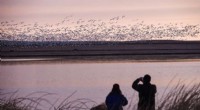
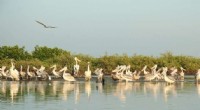
* Migrant: For animals that move seasonally or permanently to new locations.
* Disperser: For organisms that travel to new areas to find resources, like food or mates.
* Settler: A broader term for organisms that establish themselves in a new place.
Other possibilities:
* Naturalized species: This term is used for introduced species that have successfully established themselves in the new environment.
* Non-native species: This term simply indicates that the organism is not originally from the place it is now inhabiting.
The best term to use will depend on the specific context.
For example, if you are talking about a bird that has moved to a new area to find food, you might call it a migrant or a disperser. If you are talking about a plant that has been introduced to a new country and is now spreading rapidly, you might call it an invasive species.