Here's a breakdown of key characteristics:
* No nucleus: Genetic material (DNA) is located in a region called the nucleoid, but it's not enclosed within a membrane.
* No membrane-bound organelles: Prokaryotes lack complex internal compartments like mitochondria, Golgi apparatus, endoplasmic reticulum, etc.
* Smaller size: Prokaryotic cells are generally much smaller than eukaryotic cells.
* Simpler structure: They have a relatively simple structure compared to eukaryotic cells.
* Ribosomes: They have ribosomes, but these are smaller than those found in eukaryotic cells.
* Cell wall: Most prokaryotes have a rigid cell wall that provides structural support.
* Plasma membrane: They have a cell membrane that encloses the cytoplasm.
* Flagella and pili: Some prokaryotes have flagella for movement and pili for attachment.
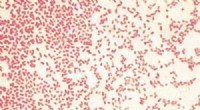
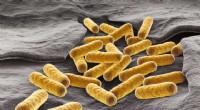
Examples of prokaryotes: Bacteria and archaea.