1. Atom: The basic unit of matter, consisting of a nucleus (protons and neutrons) and electrons.
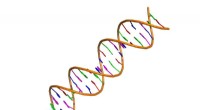
2. Molecule: Two or more atoms bonded together. Examples include water (H2O), carbon dioxide (CO2), and DNA.
3. Organelle: A specialized structure within a cell that performs a specific function. Examples include the nucleus, mitochondria, and chloroplasts.
4. Cell: The basic unit of life, enclosed by a membrane and containing organelles.
5. Tissue: A group of similar cells that work together to perform a specific function. Examples include muscle tissue, nervous tissue, and epithelial tissue.
6. Organ: A structure made up of different tissues that work together to perform a specific function. Examples include the heart, lungs, and stomach.
7. Organ System: A group of organs that work together to perform a major bodily function. Examples include the digestive system, the respiratory system, and the circulatory system.
8. Organism: A complete living being made up of organ systems.
This hierarchy demonstrates the interconnectedness and complexity of life, where each level builds upon the one before it.