1. Organization: Living organisms are highly organized, with different parts working together to maintain life. This ranges from the cellular level to the complex systems found in multicellular organisms.
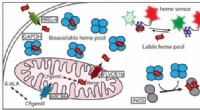
2. Metabolism: Living things carry out chemical reactions to obtain and use energy, grow, and repair themselves. This includes processes like photosynthesis, respiration, and digestion.
3. Growth and Development: Living organisms grow and develop over time, increasing in size and complexity. This can involve changes in shape, structure, and function.
4. Reproduction: Living organisms have the ability to produce offspring, ensuring the continuation of their species. This can be through sexual or asexual reproduction.
It's important to remember that these are just some of the key characteristics of living organisms. There are many other factors that contribute to the definition of life, such as responsiveness to stimuli, adaptation, and homeostasis.