Definition:
A biome is a large-scale ecological unit characterized by its distinctive plant and animal communities, which are adapted to the prevailing climate and other environmental conditions. Think of it as a major life zone on Earth!
Key Factors Determining Biomes:
* Climate: Temperature, precipitation, and seasonality are the primary drivers of biome distribution.
* Geography: Latitude, elevation, and proximity to oceans influence climate and thus biome types.
* Soil: Soil type and composition affect plant growth, which in turn impacts the entire food web.
Major Biomes of the World:
Here are some examples of major biomes, along with their key characteristics:
Terrestrial Biomes:
* Tundra: Cold, treeless biome with permafrost, low-growing vegetation, and short growing seasons. (Found in Arctic regions and high mountain areas)
* Boreal Forest (Taiga): Coniferous forest dominated by evergreen trees, cold winters, and warm summers. (Found in northern hemisphere, e.g., Canada, Russia)
* Temperate Deciduous Forest: Forest with trees that lose their leaves in the fall, moderate temperatures, and distinct seasons. (Found in eastern North America, Europe, and East Asia)
* Temperate Grassland (Prairie): Grasslands with few trees, hot summers, cold winters, and seasonal rainfall. (Found in North America, South America, and Eurasia)
* Tropical Rainforest: Warm, humid biome with high rainfall and dense vegetation. (Found near the equator, e.g., Amazon rainforest, Congo Basin)
* Savanna: Tropical grassland with scattered trees, distinct wet and dry seasons, and frequent fires. (Found in Africa, South America, and Australia)
* Desert: Dry biome with low precipitation, extreme temperatures, and sparse vegetation. (Found in various locations across the globe, e.g., Sahara Desert, Atacama Desert)
Aquatic Biomes:
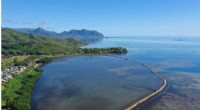
* Marine: Largest biome, covering 70% of Earth's surface, with salt water, diverse ecosystems, and varying depths. (Includes oceans, coral reefs, estuaries)
* Freshwater: Biomes with low salt content, including lakes, rivers, and wetlands. (Varying depths and flow rates)
Examples of Biome Adaptations:
* Tundra: Arctic foxes have thick fur for insulation, while caribou migrate to find food.
* Boreal Forest: Coniferous trees have needle-shaped leaves to prevent water loss in cold, dry winters.
* Temperate Deciduous Forest: Deciduous trees shed leaves in the fall to conserve water during winter.
* Tropical Rainforest: Many rainforest plants have adaptations to climb high for sunlight, while animals like jaguars are excellent climbers.
* Desert: Camels have adapted to store water and tolerate high temperatures, while cacti have spines for defense and deep roots to access water.
Importance of Biomes:
* Biodiversity: Biomes house a vast array of species, contributing to global biodiversity.
* Ecosystem Services: Biomes provide essential services like water filtration, carbon storage, and pollination.
* Human Well-being: Biomes influence climate, food production, and recreational opportunities.
Threats to Biomes:
* Climate Change: Global warming is altering temperature and precipitation patterns, affecting biome distribution.
* Habitat Loss: Human activities like deforestation and urbanization destroy natural habitats.
* Pollution: Air, water, and soil pollution negatively impact biome ecosystems.
Understanding biomes is essential for appreciating Earth's diversity, conserving biodiversity, and managing our planet's resources sustainably.