1. Cessation of Vital Functions:
* Heart stops beating: This halts blood circulation, leading to oxygen deprivation (hypoxia) in all tissues.
* Breathing stops: This stops the body's oxygen intake.
* Brain activity ceases: This results in loss of consciousness and the end of all brain functions.
2. Cellular Breakdown:
* Autolysis: This is the process of self-digestion, where cells start breaking down from within. Enzymes released from lysosomes within cells begin to digest cellular components.
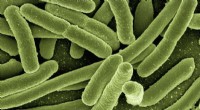
* Putrefaction: Bacteria, normally present in the intestines, begin to proliferate and break down tissues. This process releases gases (like hydrogen sulfide and methane) that contribute to the characteristic odor of decay.
* Rigor mortis: Within a few hours of death, the muscles stiffen due to the depletion of ATP (energy) and the buildup of calcium in muscle cells. This state usually peaks around 12 hours after death.
3. Decomposition:
* Stages of decomposition:
* Fresh stage: The body is relatively unchanged, except for the cessation of vital functions.
* Bloating stage: Gas production from bacteria leads to bloating and discoloration.
* Putrefactive stage: The tissues become liquefied, and the characteristic odor of decay becomes strong.
* Dry stage: The remaining tissues become dried and skeletal remains are exposed.
* Factors affecting decomposition: Temperature, humidity, presence of insects, and burial conditions all influence the rate and progress of decomposition.
4. Skeletonization:
* Eventually: All soft tissues are decomposed, leaving behind the skeleton.
Important Notes:
* Different organisms: The process of death and decomposition varies depending on the organism's size, complexity, and environment.
* Individual variations: There can be individual variations in the rate of decomposition due to factors such as age, health, and cause of death.
Beyond the Biological:
Death also has profound social, cultural, and philosophical implications. Different societies have developed various rituals and beliefs around death, reflecting their understanding of life, mortality, and the afterlife.