Here's a breakdown:
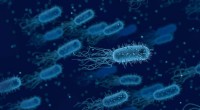
* Ciliates: These protists use numerous hair-like structures called cilia for movement. Examples include Paramecium and Stentor.
* Flagellates: They have one or more long, whip-like structures called flagella for movement. Examples include Euglena and Trypanosoma.
* Sarcodines: These protists move by extending temporary projections of their cytoplasm called pseudopodia ("false feet"). Examples include Amoeba and Foraminifera.
* Sporozoans: Unlike the other groups, sporozoans are non-motile during most of their life cycle. They are parasitic and rely on host cells for movement. Examples include Plasmodium (malaria parasite).
While mode of locomotion is the primary characteristic, there are other features used in classification, such as:
* Nutrition: Many protozoa are heterotrophic, meaning they obtain nutrients by consuming other organisms.
* Reproduction: Protozoa reproduce asexually (e.g., binary fission) and some also have sexual phases.
* Structure: They can have diverse body structures and internal organelles.
However, the most significant and defining characteristic for classifying animal-like protists is their method of movement.