Based on the emergence of the seedling:
* Epigeal germination: The cotyledons (seed leaves) are lifted above the soil surface by the elongating hypocotyl (stem below the cotyledons). This is common in beans, sunflowers, and other dicots.
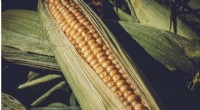
* Hypogeal germination: The cotyledons remain below the soil surface, while the epicotyl (stem above the cotyledons) emerges and grows upwards. This is typical of peas, corn, and other monocots.
Based on the environmental conditions:
* Photoblastic germination: Seed germination is triggered or inhibited by light.
* Positive photoblastic: Seeds require light to germinate (e.g., lettuce).
* Negative photoblastic: Seeds require darkness to germinate (e.g., some grasses).
* Thermodormancy: Seed germination is affected by temperature.
* Cold stratification: Seeds require a period of cold temperatures to germinate (e.g., many tree species).
* Warm stratification: Seeds require a period of warm temperatures to germinate (e.g., some tropical plants).
* Scarification: Some seeds have a hard seed coat that prevents water uptake and germination. Scarification (breaking or weakening the seed coat) is required for these seeds to germinate. This can be done mechanically, chemically, or by passing through the digestive tract of an animal.
Based on the seed's internal mechanism:
* Simple germination: The seed germinates directly from the embryo.
* Complex germination: The seed requires a special structure, such as a bulb or corm, to germinate.
Other types of germination:
* Viviparous germination: Seeds germinate while still attached to the parent plant (e.g., mangrove trees).
* Premature germination: Seeds germinate before they are fully mature (e.g., some grasses).
It's important to note that these categories aren't always mutually exclusive. For example, some seeds may require both light and cold stratification for successful germination.