1. Observation and Description:
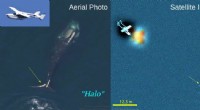
* Direct observation: This involves carefully watching and recording events in nature, often in their natural habitat.
* Examples: Studying animal behavior in the wild, observing plant growth patterns, monitoring the spread of a disease.
* Indirect observation: Involves examining evidence left behind by organisms.
* Examples: Studying fossilized remains to understand ancient life, analyzing scat to identify species present in an area, using camera traps to capture images of elusive animals.
2. Experimentation:
* Controlled Experiments: These involve manipulating variables to test a hypothesis. This method allows researchers to isolate specific factors and determine cause-and-effect relationships.
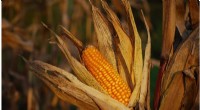
* Example: Testing the effects of a new fertilizer on plant growth by comparing treated and untreated plants.
* Field Experiments: Experiments conducted in natural settings. This helps to understand how organisms interact in their natural environment.
* Example: Studying the impact of invasive species on native plant communities.
* Model Organisms: Using organisms that are well-studied and easy to manipulate in controlled experiments. This can provide insights into broader biological principles.
* Examples: Fruit flies (Drosophila melanogaster), laboratory mice, bacteria (e.g., E. coli).
3. Data Collection and Analysis:
* Quantitative Data: Numerical data that can be measured.
* Examples: Height, weight, population size, chemical concentrations, gene frequencies.
* Qualitative Data: Descriptive data that focuses on qualities or characteristics.
* Examples: Observations of animal behavior, descriptions of plant morphology, interviews with individuals.
* Statistical Analysis: Mathematical tools used to analyze data and draw conclusions.
* Examples: Calculating averages, standard deviations, p-values, regression analysis.
4. Molecular Techniques:
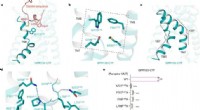
* DNA Sequencing: Determining the order of nucleotides in DNA, which provides insights into genetic relationships, evolution, and disease.
* PCR (Polymerase Chain Reaction): A technique for amplifying DNA segments, allowing for the study of specific genes or regions of the genome.
* Gene Editing: Techniques that allow for the modification of specific genes, enabling researchers to study gene function and potentially develop new therapies.
5. Imaging Techniques:
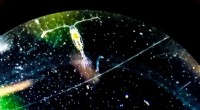
* Microscopy: Using microscopes to visualize structures at the cellular and subcellular levels.
* X-ray Imaging: Used to study the internal structure of organisms.
* MRI (Magnetic Resonance Imaging): Produces detailed images of soft tissues and organs.
6. Bioinformatics and Computational Biology:
* Bioinformatics: The use of computers to analyze and interpret biological data.
* Computational Biology: Developing mathematical models to understand biological processes.
7. Systems Biology:
* Systems biology: A holistic approach that studies the interactions between different biological systems.
8. Citizen Science:
* Citizen science: Engaging the public in scientific research through data collection and analysis.
The specific methods used in a biological investigation depend on the research question being asked. Often, multiple methods are combined to provide a comprehensive understanding of the biological phenomenon under study.