Here's a breakdown of key points:
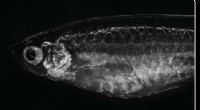
* Formation: The embryo forms through cell division and differentiation of the zygote.
* Development: During the embryonic stage, the basic body structures of the organism are established, including organs, tissues, and body systems.
* Duration: The length of the embryonic stage varies significantly across different species. In humans, it lasts about eight weeks after fertilization.
* Terminology:
* Embryo: Used for the developing organism before the major features of the adult form are recognizable.
* Fetus: Used for the developing organism in mammals after the main body parts are formed (around 8 weeks in humans).
In short, an embryo is the very early, foundational stage of life for a multicellular organism.