Photosynthesis:
* Inputs: Sunlight, carbon dioxide (CO2), and water (H2O)
* Outputs: Glucose (C6H12O6) and oxygen (O2)
Photosynthesis is the process by which plants, algae, and some bacteria convert light energy into chemical energy stored in glucose. This process takes place in the chloroplasts of plant cells.
Cellular Respiration:
* Inputs: Glucose (C6H12O6) and oxygen (O2)
* Outputs: Carbon dioxide (CO2), water (H2O), and ATP (energy)
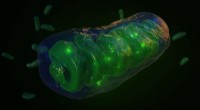
Cellular respiration is the process by which organisms break down glucose to release energy in the form of ATP. This process occurs in the mitochondria of all living cells.
The Relationship:
* Complementary Processes: Photosynthesis and cellular respiration are complementary processes that are essential for life. Photosynthesis produces the glucose and oxygen that are used in cellular respiration, while cellular respiration produces the carbon dioxide and water that are used in photosynthesis.
* Energy Flow: Photosynthesis captures light energy and stores it in chemical bonds of glucose. Cellular respiration then releases this stored energy to fuel cellular activities.
* Carbon Cycle: These processes are key to the carbon cycle. Photosynthesis removes carbon dioxide from the atmosphere, while cellular respiration releases carbon dioxide back into the atmosphere.
* Oxygen Cycle: Photosynthesis releases oxygen as a byproduct, which is then used in cellular respiration.
Simplified Analogy:
Think of it like a cycle:
1. Plants use sunlight to make food (glucose) and release oxygen (like a factory producing food and a byproduct).
2. Animals eat the food (glucose) and breathe in the oxygen, releasing carbon dioxide and water (like using the food and generating waste).
3. Plants take in the carbon dioxide and water to make more food, completing the cycle.
Conclusion:
Photosynthesis and cellular respiration are interconnected processes that form a fundamental cycle of energy flow and matter exchange in the biosphere. They are essential for life on Earth and are a prime example of how biological systems are intricately linked.