Here's why:
* Eukaryotic cells are more complex and have membrane-bound organelles like a nucleus, mitochondria, and Golgi apparatus. This allows for more specialized functions and greater complexity in organisms.
* Prokaryotic cells are simpler and lack these organelles. They are generally smaller and less complex, with their genetic material floating freely in the cytoplasm.
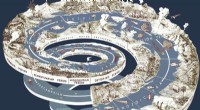
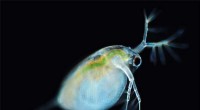
* The diversity of eukaryotic organisms is vast, encompassing animals, plants, fungi, and protists. This diversity reflects the adaptability and success of eukaryotic cells.
While prokaryotes (like bacteria and archaea) are incredibly abundant and important, the vast majority of species diversity is found within the eukaryotic domain.