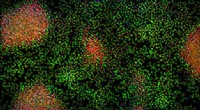
What is stem cell research?
Stem cells are undifferentiated cells that can divide and become specialized cells (like nerve cells, blood cells, etc.). Research focuses on understanding how to:
* Isolate and cultivate stem cells: Obtaining stem cells from different sources (embryos, adult tissues, umbilical cord blood).
* Control stem cell differentiation: Guiding stem cells to become specific cell types for therapeutic purposes.
* Develop safe and effective treatments: Using stem cells to regenerate damaged tissues or treat diseases.
Challenges and Controversies:
* Ethical considerations: Research using embryonic stem cells raises ethical questions about the status of embryos.
* Safety concerns: Ensuring the safety of stem cell therapies, preventing tumor formation, and managing potential immune rejection.
* Regulation and funding: Navigating complex regulatory frameworks and securing sufficient funding for research.
Potential Solutions and Approaches:
* Alternative stem cell sources: Focusing on adult stem cells or induced pluripotent stem cells (iPSCs) derived from reprogrammed adult cells.
* Ethical frameworks: Developing clear ethical guidelines for stem cell research, respecting patient autonomy, and promoting transparency.
* Clinical trials and research: Conducting rigorous clinical trials to establish the safety and efficacy of stem cell therapies.
* Public education and engagement: Raising awareness about stem cell research and its potential benefits, addressing ethical concerns, and fostering open dialogue.
Current Status and Future Directions:
* Some stem cell therapies are being used to treat certain conditions: Like blood cancers and some eye diseases, but many are still in clinical trials.
* Research is exploring new applications: For diseases like Parkinson's, Alzheimer's, spinal cord injuries, and diabetes.
* Continued research is crucial: To overcome challenges, refine techniques, and develop more effective and safe treatments.
In essence, "solving" stem cell research involves:
* Scientific breakthroughs: Advancing our understanding of stem cell biology, differentiation, and manipulation.
* Ethical progress: Establishing clear ethical guidelines and ensuring responsible use of technology.
* Public engagement: Openly communicating research findings and fostering trust in the scientific process.
Stem cell research holds immense promise for treating diseases and improving human health. However, it requires ongoing research, careful consideration of ethical implications, and collaboration between scientists, ethicists, and the public.