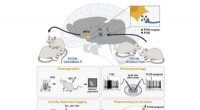
CRISPR-Cas9 is a revolutionary biological technology that allows scientists to precisely edit DNA sequences. Here's how it works:
* CRISPR: A naturally occurring system in bacteria that acts as a defense mechanism against invading viruses. It's like a molecular "search and destroy" system, using short RNA sequences (guide RNA) to locate and target specific DNA sequences.
* Cas9: A protein that acts like a pair of molecular scissors, cutting the DNA at the targeted location.
How it's used:
* Disease Treatment: CRISPR-Cas9 can potentially treat genetic diseases by correcting faulty genes. For example, it's being explored for treating sickle cell anemia, cystic fibrosis, and Huntington's disease.
* Agriculture: By editing genes in crops, CRISPR can lead to higher yields, improved nutrition, and resistance to pests and diseases.
* Research: Scientists use CRISPR to study gene function and develop new therapies.
Advantages:
* Precision: CRISPR allows for highly specific targeting of genes, minimizing off-target effects.
* Efficiency: CRISPR is relatively easy to use and can edit genes quickly.
* Versatility: It has a wide range of applications in various fields, from medicine to agriculture.
Ethical Considerations:
* Off-target effects: While CRISPR is highly precise, off-target edits can have unintended consequences.
* Germline editing: Editing the germline (sperm and egg cells) could introduce changes that are passed down to future generations.
* Equity and accessibility: The technology may not be equally accessible to everyone, potentially exacerbating existing social inequalities.
CRISPR-Cas9 is a powerful example of biological technology that has the potential to revolutionize medicine, agriculture, and other fields. However, it's crucial to address the ethical implications and ensure responsible development and use.