1. ATP Production (Cellular Respiration):
- This is the mitochondria's most vital role. It's where the majority of ATP (adenosine triphosphate) is produced. ATP is the cell's primary energy currency, powering essential cellular processes like muscle contraction, protein synthesis, and nerve impulse transmission.
2. Cellular Respiration Stages:
- Glycolysis: This occurs in the cytoplasm, breaking down glucose into pyruvate.
- Krebs Cycle (Citric Acid Cycle): Occurs in the mitochondrial matrix, further oxidizing pyruvate and generating electron carriers (NADH and FADH2).
- Electron Transport Chain: Located in the inner mitochondrial membrane, this process uses the electron carriers to pump protons, creating a proton gradient. The flow of protons back across the membrane drives ATP production.
3. Regulation of Cellular Metabolism:
- Mitochondria participate in the synthesis of key metabolites, including amino acids, heme, and certain lipids.
- They also regulate the breakdown of fatty acids and the production of reactive oxygen species (ROS).
4. Calcium Homeostasis:
- Mitochondria help regulate calcium levels within the cell, playing a role in muscle contraction, neurotransmitter release, and cell signaling.
5. Apoptosis (Programmed Cell Death):
- Mitochondria play a crucial role in triggering apoptosis when cells are damaged or no longer needed. They release signaling molecules that activate the cell's self-destruction program.
6. Other Functions:
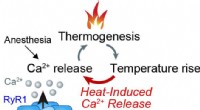
- Heat Production: Mitochondria contribute to thermogenesis, particularly in brown adipose tissue, generating heat to maintain body temperature.
- Steroid Synthesis: Some mitochondria are involved in the synthesis of steroid hormones.
In summary, the mitochondria is an essential organelle in animal cells, providing the energy needed for life, participating in metabolism, and playing a role in various cellular processes, including apoptosis and calcium regulation.