* Oviparous: This is the most general term and applies to any animal that lays eggs, regardless of its species. This includes birds, reptiles, amphibians, fish, insects, and many others.
* Birds (Aves): All birds are oviparous.
* Reptiles (Reptilia): All reptiles are oviparous.
* Amphibians (Amphibia): Most amphibians are oviparous, but some give birth to live young.
* Fish (Pisces): Most fish are oviparous, but some give birth to live young.
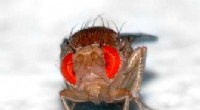
* Insects (Insecta): All insects are oviparous.
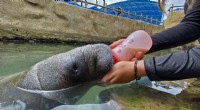
It's important to note that some animals within these groups have evolved to give birth to live young (viviparous). This is a more recent evolutionary adaptation and not the original way these animals reproduced.