Here's why:
* Single-celled: These organisms are primarily made up of just one cell.
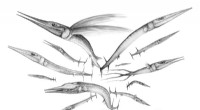
* Colony: A colony is a group of individual organisms living together in a close association. The individual cells may or may not be specialized for different functions.
Examples of colonies:
* Volvox: A green algae that forms spherical colonies with specialized cells for reproduction and movement.
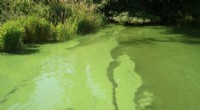
* Cyanobacteria: Some types of cyanobacteria form colonies with different cell types, including nitrogen-fixing cells.
* Slime molds: While not always single-celled, slime molds can form large, multicellular colonies that exhibit coordinated movement.
Let me know if you'd like more details on any of these examples!