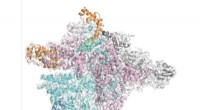
1. The Mitotic Spindle:
* Microtubules: The key players are microtubules, hollow protein fibers that form a dynamic framework called the mitotic spindle. This spindle originates from two poles of the cell.
* Kinetochore: Each chromosome has a specialized region called the kinetochore, which attaches to microtubules from opposite poles of the spindle.
* Polar Microtubules: In addition to kinetochore microtubules, there are also polar microtubules that extend from one pole to the other, pushing the poles apart and elongating the cell.
2. The Dance of the Chromosomes:
* Attachment and Tension: The kinetochore microtubules attach to the kinetochores and begin pulling on the chromosomes. This pulling creates tension, ensuring that chromosomes line up at the cell's equator.
* Separation: Once the chromosomes are properly aligned, the kinetochore microtubules shorten, pulling sister chromatids (identical copies of a chromosome) apart towards opposite poles of the cell.
* Movement: The separation of sister chromatids is driven by a combination of depolymerization of microtubules (shortening) and motor proteins that actively "walk" the chromosomes along the microtubules.
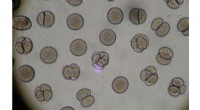
* Cytokinesis: Finally, the cell membrane pinches in, dividing the cytoplasm and creating two daughter cells, each with a complete set of chromosomes.
Key Players in Chromosome Movement:
* Microtubules: Provide the framework and force for movement.
* Kinetochores: Act as attachment points for microtubules and regulate their activity.
* Motor Proteins: These proteins, like dynein and kinesin, "walk" along microtubules, facilitating chromosome movement.
* Regulatory Proteins: Control the assembly, disassembly, and activity of microtubules and motor proteins.
Why is Chromosome Movement Important?
* Genetic Inheritance: Proper chromosome movement ensures that each daughter cell receives a complete and accurate copy of the genome. This is essential for maintaining genetic stability and proper development.
* Cellular Processes: Chromosome segregation is vital for many cellular processes, including growth, repair, and development.
Regulation:
The movement of chromosomes is tightly regulated to ensure that:
* Chromosomes align properly at the cell's equator before separation.
* Sister chromatids are separated accurately and efficiently.
* The cell divides into two daughter cells with identical genetic material.
Errors in Chromosome Movement:
* Aneuploidy: Errors in chromosome movement can lead to aneuploidy, a condition where cells have an abnormal number of chromosomes. This can cause developmental problems and diseases.
Conclusion:
Chromosome movement during cell division is a complex and coordinated process involving multiple cellular components. The precise and regulated movement of chromosomes ensures the accurate inheritance of genetic material, crucial for the proper functioning and development of all living organisms.